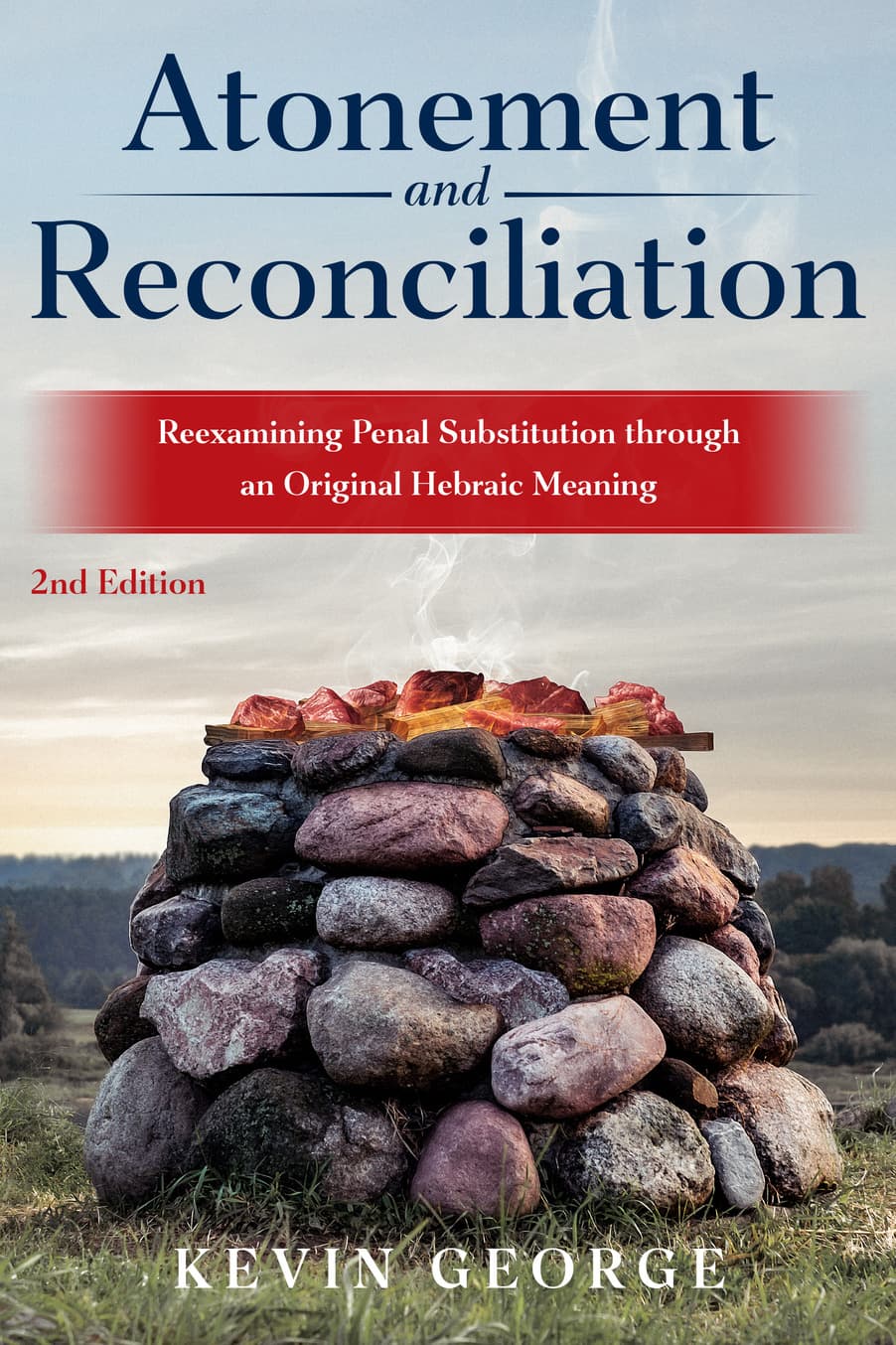
https://www.amazon.com/dp/B0GXC82G5B This website is a resource for the study of the doctrine of atonement. Its purposes are to: 1. Show the error of the Penal Substitutionary Atonement (PSA) model, and 2. Show that the underlying Hebraic idea of atonement is primarily relational and covenantal, not legal and contractual. Most of the Bible texts in the database are from the ESV. This is NOT an endorsement of this version. Rather, it is used because it is a favorite of those who promote Reformed Theology and its version of Penal Substitutionary Atonement. This shows that even their favorite version lacks a solid foundation for the claims it makes. The user is welcome to copy and paste from the database without attribution (without naming this as the source). But be aware that it is a live database constantly refined and updated by its author. Many of the entries are modified or improved based on feedback from online discussions. Much of the database is based on the book's content, but most entries are not direct quotes from it. This information was born from writing the book, "Atonement and Reconciliation" by Kevin George. This book is available at https://www.amazon.com/dp/B0GXC82G5B To contact the author of the book or this website, write to atonementandreconciliation@gmail.com